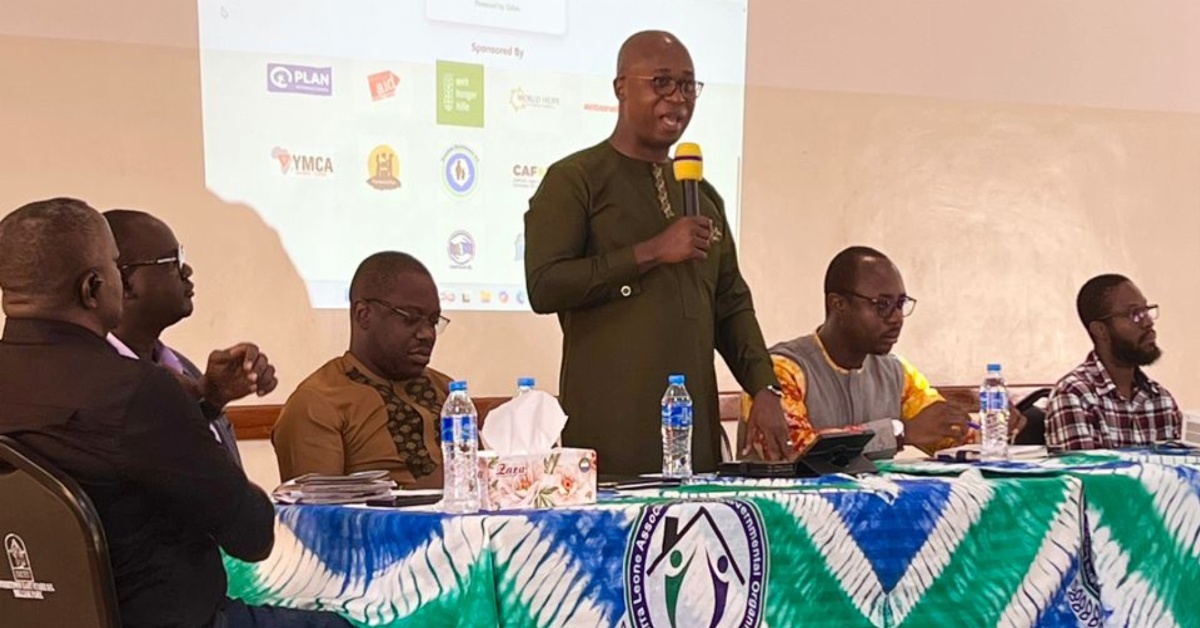
ABC-Development, a national non-governmental organisation committed to community empowerment and development, recently participated in a five-day capacity-building training organised by GOAL SL. The training, which ended on Friday February 27, 2026, aimed to strengthen the operational and strategic capacities of local organisations working in community development.
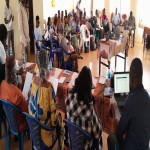
The workshop was held at the CHASL Hall in Freetown and began on Monday, February 23, 2026. It brought together representatives from various community-based organisations and development groups who took part in interactive sessions designed to enhance their understanding of modern development approaches and sustainable economic practices.
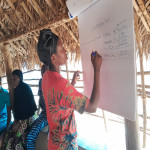
Participants from ABC-Development actively engaged in the discussions and contributed to the learning process by sharing experiences from their work in local communities.
Throughout the five-day programme, participants received training in several key areas aimed at strengthening organisational sustainability and improving service delivery. These included:
- Monetising Business Development Services
- Financial Inclusion
- Start Your Business – Fundamentals
- Setting Up a Blue Economy Cooperative
- Fundamentals of Business Development Support
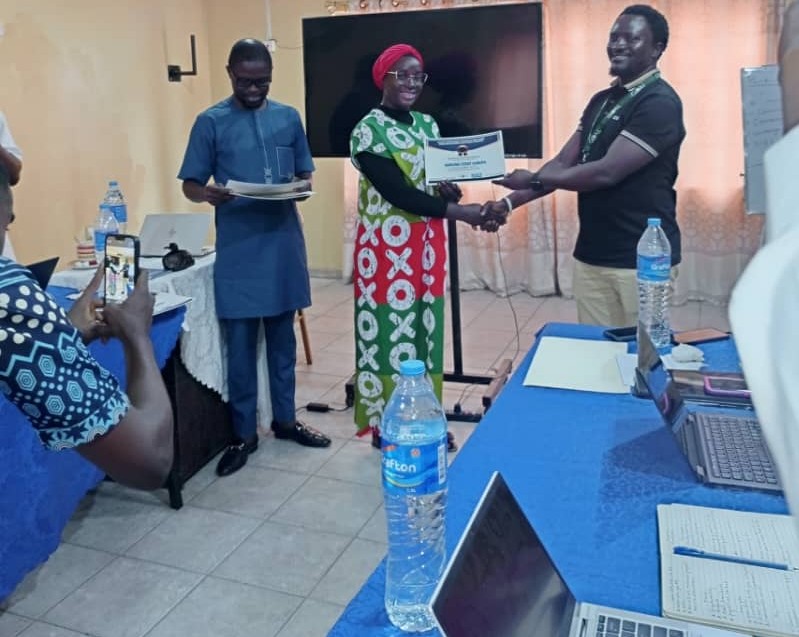
At the end of the workshop, participants were awarded certificates of participation in recognition of their engagement and commitment during the training.
The training was facilitated by Raphael Marrah, MSD Technical Specialist, who guided participants through a series of discussions and practical learning sessions.
According to the facilitators, these areas are critical for organisations seeking to design programmes that move beyond short-term assistance and instead create sustainable economic opportunities within communities.
During his presentations, Marrah emphasised the importance of developing sustainable business models within the non-profit sector. He explained that many organisations provide valuable services to communities but often struggle to maintain long-term sustainability due to limited financial resources. By strategically monetising certain business development services, organisations can generate revenue while continuing to support vulnerable groups and strengthen community resilience.
Participants were also encouraged to explore ways their organisations could provide advisory services, training, and mentorship to local entrepreneurs and small businesses. Marrah noted that supporting local enterprises contributes significantly to economic growth and community stability.
The training further explored the principles of Market Systems Development, which encourages organisations to understand and work within existing market systems to create lasting impact. When markets function effectively, they create opportunities for employment, entrepreneurship, and increased income for local communities.
The blue economy was also highlighted as an emerging opportunity for Sierra Leone. With the country’s extensive coastline and rich marine resources, participants examined how ocean and coastal resources can be used sustainably to support economic development. Discussions covered areas such as fisheries, marine conservation, coastal tourism, and other environmentally responsible activities that could generate livelihoods for coastal communities.
Participants also received training in financial management to help organisations strengthen their internal systems for budgeting, accountability, and financial reporting. Facilitators noted that effective financial management is essential for building credibility with donors, partners, and community stakeholders.
Speaking during the closing session, the Coordinator for GOAL SL, James Swaray, emphasised the importance of collaboration among development organisations. He explained that GOAL SL continues to support communities across Sierra Leone through various development initiatives and capacity-building programmes. “We are helping communities in many different ways. But we cannot do this work alone. Building the capacity of different NGOs allows us to learn from one another, share expertise, and work together to improve the lives of people in our communities,” Swaray said.
Participants expressed appreciation for the opportunity to gain new knowledge and practical tools to strengthen their work. Many also noted that the training provided valuable networking opportunities, allowing organisations to exchange ideas and explore potential collaborations.
ABC-Development noted that the knowledge gained from the training will help strengthen its programmes and improve its efforts to empower communities and promote sustainable development across Sierra Leone.
ABC-Development, a national non-governmental organisation committed to community empowerment and development, recently participated in a five-day capacity-building training organised by GOAL SL. The training, which ended on Friday February 27, 2026, aimed to strengthen the operational and strategic capacities of local organisations working in community development.The workshop was held at the CHASL Hall in Freetown and began on Monday, February 23, 2026. It brought together representatives from various community-based organisations and development groups who took part in interactive sessions designed to enhance their understanding of modern development approaches and sustainable economic practices.
Participants from ABC-Development actively engaged in the discussions and contributed to the learning process by sharing experiences from their work in local communities.
Throughout the five-day programme, participants received training in several key areas aimed at strengthening organisational sustainability and improving service delivery. These included:
- Monetising Business Development Services
- Financial Inclusion
- Start Your Business – Fundamentals
- Setting Up a Blue Economy Cooperative
- Fundamentals of Business Development Support
At the end of the workshop, participants were awarded certificates of participation in recognition of their engagement and commitment during the training.
The training was facilitated by Raphael Marrah, MSD Technical Specialist, who guided participants through a series of discussions and practical learning sessions.
According to the facilitators, these areas are critical for organisations seeking to design programmes that move beyond short-term assistance and instead create sustainable economic opportunities within communities.
During his presentations, Marrah emphasised the importance of developing sustainable business models within the non-profit sector. He explained that many organisations provide valuable services to communities but often struggle to maintain long-term sustainability due to limited financial resources. By strategically monetising certain business development services, organisations can generate revenue while continuing to support vulnerable groups and strengthen community resilience.
Participants were also encouraged to explore ways their organisations could provide advisory services, training, and mentorship to local entrepreneurs and small businesses. Marrah noted that supporting local enterprises contributes significantly to economic growth and community stability.
The training further explored the principles of Market Systems Development, which encourages organisations to understand and work within existing market systems to create lasting impact. When markets function effectively, they create opportunities for employment, entrepreneurship, and increased income for local communities.
The blue economy was also highlighted as an emerging opportunity for Sierra Leone. With the country’s extensive coastline and rich marine resources, participants examined how ocean and coastal resources can be used sustainably to support economic development. Discussions covered areas such as fisheries, marine conservation, coastal tourism, and other environmentally responsible activities that could generate livelihoods for coastal communities.
Participants also received training in financial management to help organisations strengthen their internal systems for budgeting, accountability, and financial reporting. Facilitators noted that effective financial management is essential for building credibility with donors, partners, and community stakeholders.
Speaking during the closing session, the Coordinator for GOAL SL, James Swaray, emphasised the importance of collaboration among development organisations. He explained that GOAL SL continues to support communities across Sierra Leone through various development initiatives and capacity-building programmes. “We are helping communities in many different ways. But we cannot do this work alone. Building the capacity of different NGOs allows us to learn from one another, share expertise, and work together to improve the lives of people in our communities,” Swaray said.
Participants expressed appreciation for the opportunity to gain new knowledge and practical tools to strengthen their work. Many also noted that the training provided valuable networking opportunities, allowing organisations to exchange ideas and explore potential collaborations.
ABC-Development noted that the knowledge gained from the training will help strengthen its programmes and improve its efforts to empower communities and promote sustainable development across Sierra Leone.