ABC Development, in partnership with CARE International Sierra Leone, has continued the implementation of the Epidemic Control and Reinforcement of Health Services (ECRHS Phase III) project in Kambia District. The project is being implemented in close collaboration with the District Health Management Team (DHMT) and other key stakeholders to improve reproductive health outcomes, strengthen epidemic preparedness, and enhance community participation in health service delivery.
Throughout the reporting period, collaboration with the DHMT remained strong, although competing national priorities occasionally led to delays in activity implementation. Despite these challenges, significant progress was made in strengthening community structures and promoting accountability within the health system.
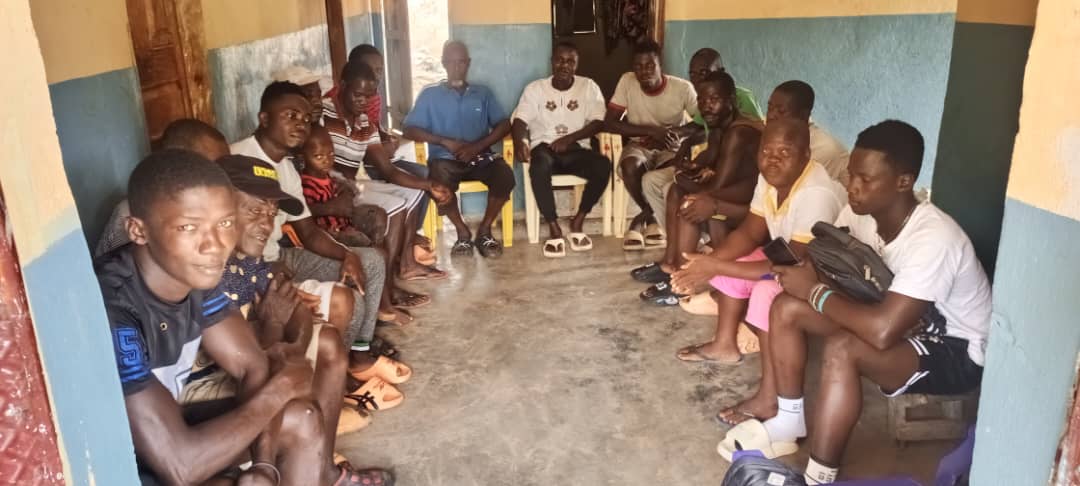
As part of efforts to enhance community resilience and economic empowerment, the project supported the formation of Village Savings and Loan Association (VSLA) groups in Korbolie community within the Kalainkay PHU catchment area in Mambolo Chiefdom. Initial entry meetings were held with community stakeholders and residents to introduce the VSLA concept and methodology. Discussions revealed that while community members were familiar with informal “Osusu” schemes, there was limited understanding of structured VSLA systems, including the use of constitutions and bylaws. The engagement resulted in community commitment to collaboratively establish VSLA groups, with follow-up visits planned to develop group constitutions.
The project also focused on strengthening Facility Management Committees (FMCs) and existing VSLAs through refresher training and coaching on their roles in health facility management, including maintenance and preventive maintenance. A two-day training was conducted in October 2023 at cluster level in Kambia Town, bringing together 30 participants from Kania and Kalainkay PHUs. Facilitated by the DHMT Social Mobilization Officer, the training covered topics such as community engagement with health authorities, FMC roles and responsibilities, feedback mechanisms, advocacy, resource mobilization, and the development of Facility Improvement Action Plans. The training increased participants’ understanding of their rights and responsibilities and highlighted the need for wider community representation, regular FMC meetings, and improved mediation between communities and health authorities.
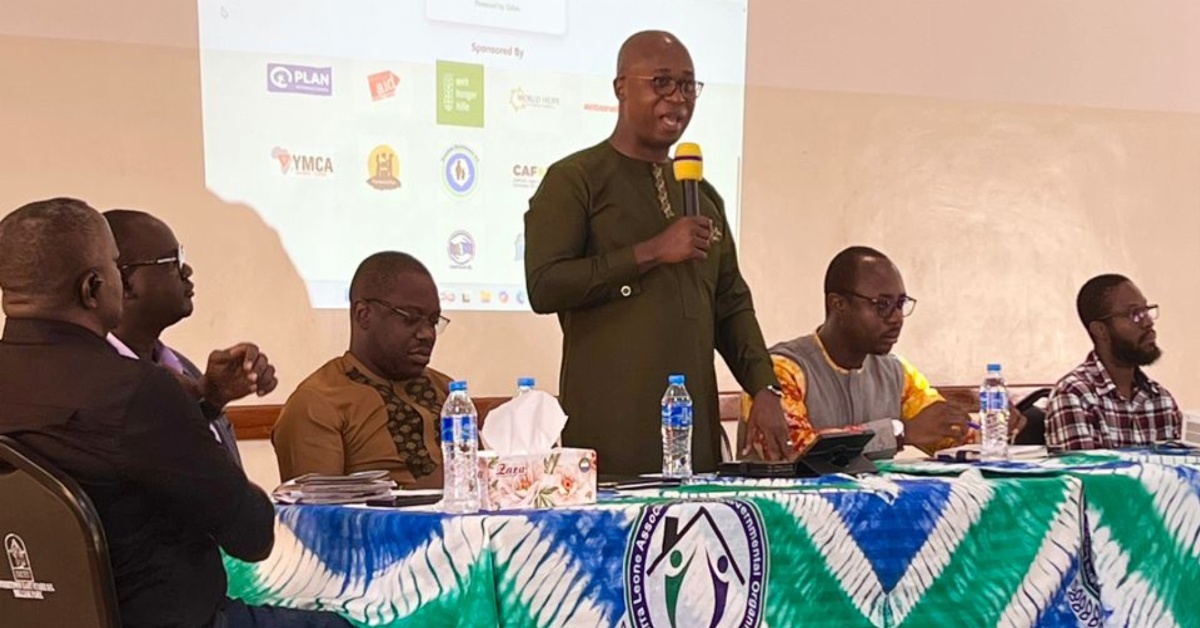
In collaboration with the DHMT and the Office of National Security, the project supported the popularization of the Epidemic Preparedness Plan through a chiefdom-level stakeholder engagement held in Kawula community, Masungbala Chiefdom. The session raised awareness of priority hazards in the district, including flooding, measles, COVID-19, and wildfires. Participants identified challenges such as limited mobility for Community Health Workers, high transportation costs affecting ANC and PNC visits, and weak functionality of FMCs. Agreed actions included strengthening community bylaws on wildfires, improving supervision of CHWs, and advocating for logistical support to enhance epidemic preparedness.
Community engagement meetings were also conducted across several chiefdoms, including Magbema, Gbinleh, Dixing, Samu, and Tonko Limba, to address prevailing public health issues such as maternal deaths, routine immunization, measles, and diarrheal diseases. A total of 132 participants from 57 communities took part in these sessions. Discussions highlighted ongoing challenges such as home deliveries, limited male involvement in maternal health, misconceptions about immunization, and barriers faced by CHWs due to long distances. Communities agreed on practical actions, including reviewing bylaws on home deliveries, strengthening sensitization on ANC and PNC attendance, and advocating for improved CHW mobility.
To further promote Sexual and Reproductive Health and Family Planning, the project utilized mass media engagement through Radio Kolenten FM 88.5. Radio jingles in Krio were aired regularly to raise awareness on SRH and family planning, while radio panel discussions featuring DHMT representatives addressed maternal deaths and diarrheal diseases in the district. The discussions generated positive feedback from listeners, who called for repeat broadcasts and stronger engagement with religious leaders and water and sanitation authorities.
The project also conducted cascade training on the Community Score Card and Social Accountability Approach for selected FMC and VSLA members in Kania and Kalainkay. The participatory training strengthened participants’ understanding of social norms affecting reproductive health, maintenance responsibilities, and health-seeking behavior. This was followed by the successful conduct of Community Score Card exercises at Kania and Kalainkay PHUs, involving diverse community groups, health workers, and local authorities. The CSC process enabled communities to identify service delivery gaps, agree on priority actions, and develop action plans aimed at improving Sexual and Reproductive Health and Rights services and facility maintenance.
Key lessons from the reporting period indicated that negative attitudes among some health workers, limited resources for community structures, and logistical constraints continue to affect service uptake and community engagement. Going forward, the project will focus on follow-up of agreed action plans, continued community engagement on maintenance and epidemic preparedness, and strengthening collaboration with district and chiefdom authorities.
The ECRHS Phase III project in Kambia District continues to demonstrate the importance of community-led accountability, multi-stakeholder collaboration, and sustained sensitization in improving health outcomes and building resilient health systems.